
The Connect-One Study will initially enroll two participants—with impaired speech and limited extremity movement (upper and lower) due to severe loss of voluntary motor control—who live within four hours of three clinical sites, UC Davis in Sacramento, Massachusetts General Hospital in Boston, and Harvard Medical School.University of Michigan in Ann Arbor, MI – led by Investigator Matthew Willsey, M.D., Ph.D., a neurosurgeon with dual faculty appointments in Neurosurgery and Biomedical Engineering.
The post Neuralink rival gets FDA approval for brain implant device appeared first on Green Prophet.
Neuralink, developed by Elon Musk, promises to help people who are paralyzed operate a computer with their thoughts. While first trials are being sought in humans with mobility issues we can imagine a future, (or not!), where humans are interlinked through our brains. It takes a massive amount of funding to build such a dream and now Neuralink is getting some competition, usually a good thing.
Alex Conley just did something that most of us just have dreamed of: he flew an RC Airplane with just his thoughts. And the best parts is not that he just flew it, he also wrote the code for Arduino to control the plane. All this, from his electric wheelchair.
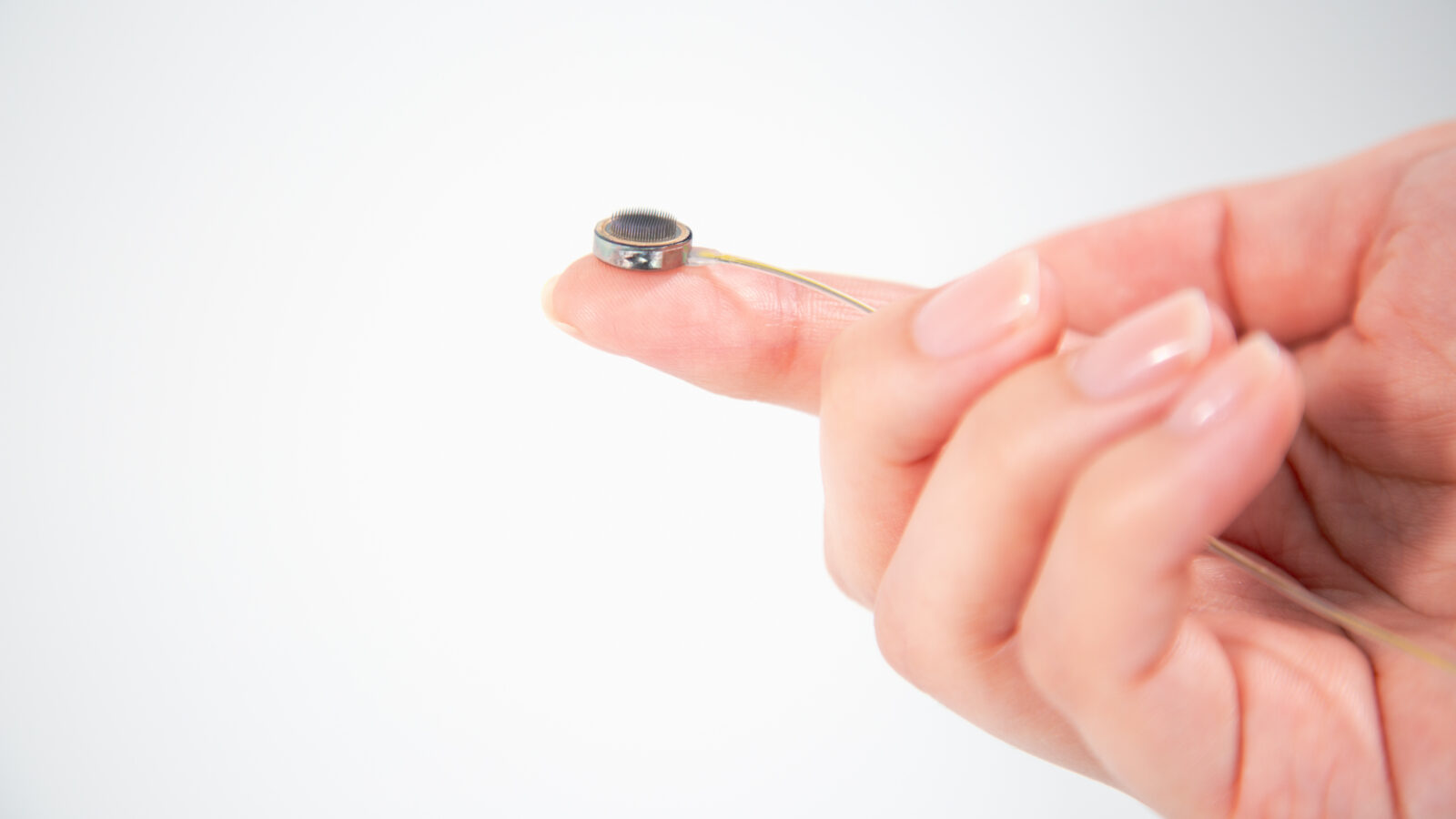
Paradromics, a US neurotechnology company says they have developed the highest data-rate brain-computer interface (BCI) platform, announced the US FDA has granted Investigational Device Exemption (IDE) approval to begin a feasibility study with their implant called Connexus BCI.
As the first company to receive IDE approval for speech restoration with a fully implantable BCI, Paradromics is excited to give participants the opportunity to control a computer and communicate via text or synthesized speech to recover connection.
Related: Womb implant is a success
The Connexus BCI is designed to record and decode brain signals at unprecedented rates of information transfer. “In Q1 next year we are launching a clinical study with the best engineered brain computer interface in the world,” said Paradromics’ CEO and founder, Matt Angle, Ph.D. “This is the device that patients deserve.“
The Connect-One Study will initially enroll two participants—with impaired speech and limited extremity movement (upper and lower) due to severe loss of voluntary motor control—who live within four hours of three clinical sites, UC Davis in Sacramento, Massachusetts General Hospital in Boston, and Harvard Medical School.University of Michigan in Ann Arbor, MI – led by Investigator Matthew Willsey, M.D., Ph.D., a neurosurgeon with dual faculty appointments in Neurosurgery and Biomedical Engineering.
This FDA approval builds on key milestones for Paradromics, including three years of stable preclinical recordings, the first successful acute Connexus BCI implantation at the University of Michigan by Dr. Willsey, and the release of a scientific preprint demonstrating that the Connexus BCI delivers an industry-leading 200+ bits per second rate of information transfer in pre-clinical models. Paradromics has a Connect-One Study roadmap to add more sites, include more participants, and explore new BCI applications.
The Connect-One Study is the first in a series of clinical applications planned for the Paradromics BCI platform. Those interested in participating in this or future studies are encouraged to join the Paradromics Community.
The first study will look at restoring speech by Paradromics sees the future in enabling AI-powered treatments for motor impairment now and chronic pain, addiction, depression, and other neurological conditions in the near future.
The post Neuralink rival gets FDA approval for brain implant device appeared first on Green Prophet.